


-

Add: HeBei ShengShi HongBang Cellulose Technology CO.,LTD.
-

Email
13180486930@163.com -

CONTACT US
+86 13180486930

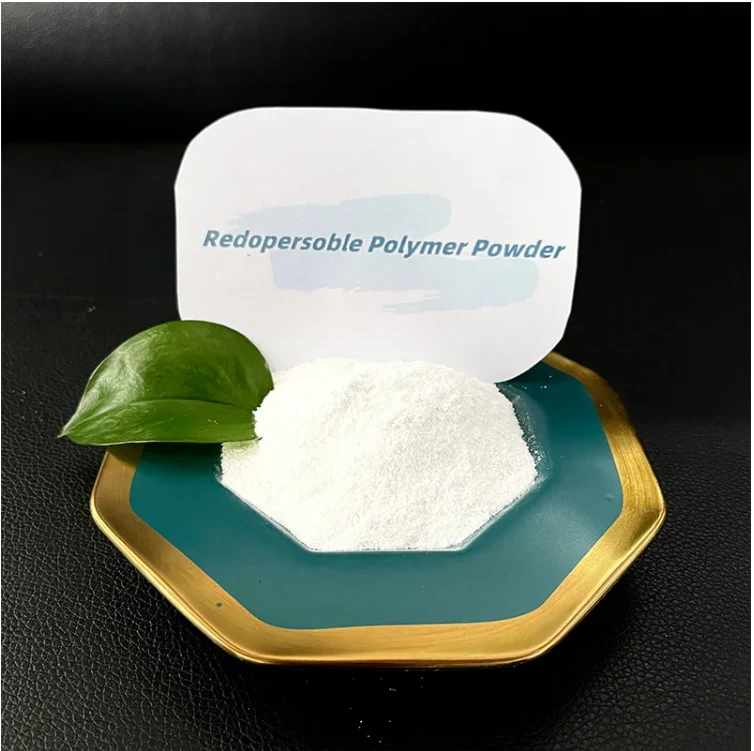
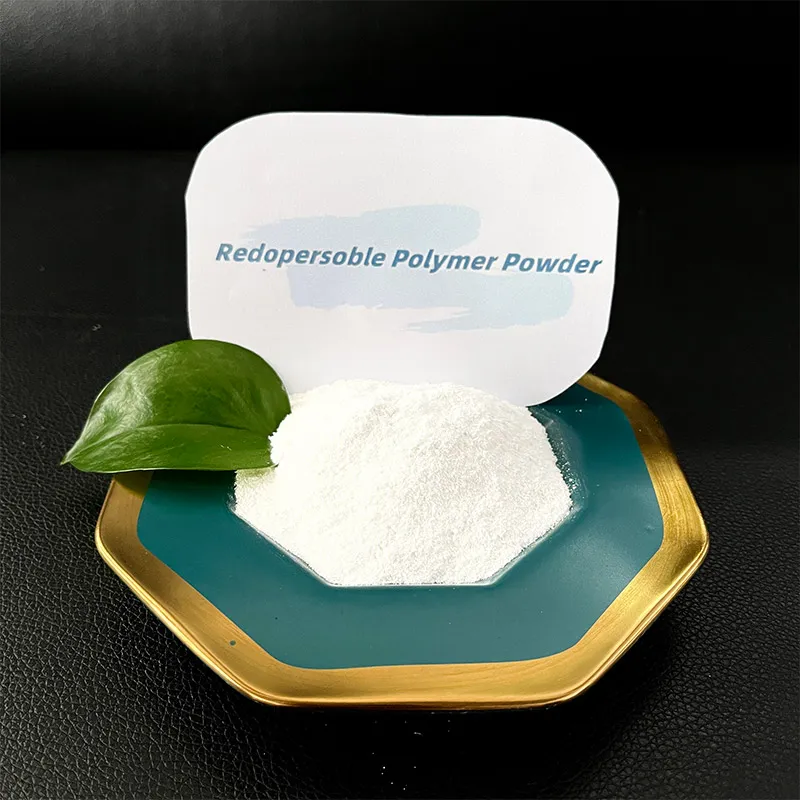



Polimer Un Taği Zamonaviy Texnologiyalar va Qishloq Xo‘jaligida Qo‘llanilishi Polimer un taği, zamonaviy materiallar muhitida muhim o‘rin tutadi. U polimerlarning mikroskopik qismlaridan tashkil topgan bo‘lib, ko‘plab sohalarda qo‘llaniladi, ayniqsa qishloq xo‘jaligida. Ushbu maqolada polimer un tağinin nimadan iboratligi, uning xususiyatlari va afzalliklari haqida so‘z yuritamiz. Polimer un taği, asosan, plastik materiallardan yaratiladi. Un taği sifatida qo‘llanilishidan maqsad, qishloq xo‘jaligida tuproqni yaxshilash, o‘simliklarni himoya qilish va yig‘im-terim jarayonlarini soddalashtirishdir. Bu materiallar nafaqat o‘simliklar uchun ozuqa manbai bo‘lib xizmat qiladi, balki tuproqning fizik va kimyoviy xususiyatlarini ham yaxshilaydi. . Bundan tashqari, polimer un taği tuproqni mahkamlaydi va uning strukturaviy yaxlitligini ta’minlaydi. Bu, o‘simliklarning ildiz tizimining yanada yaxshi rivojlanishiga yordam beradi. Tuproqning tuzilishi yaxshi bera olishi va havo almashinuvi yaxshi bo‘lishi natijasida, o‘simliklar sog‘lom va kuchli bo‘lib o‘sadi. полимер ұнтағы Polimer un taği, shuningdek, tuproqning kimyoviy xususiyatlarini yaxshilashda ham muhim rol o‘ynaydi. U tuproqdagi minerallarni va boshqa oziq moddalarni eng qiyin sharoitlarda ham saqlab qolish imkonini beradi. Natijada, o‘simliklar uchun zarur bo‘lgan ozuqa moddalarining samarali singishi ta’minlanadi. Qishloq xo‘jaligi sohasida polimer un tağini qo‘llash nafaqat o‘simliklarning samarali o‘sishini ta’minlaydi, balki bu jarayonni iqtisodiy jihatdan ham foydali qiladi. O‘simliklar yuqori hosil berishiga olib kelishi, fermerlar uchun moliyaviy jihatdan foydali bo‘ladi. Shuningdek, bu usul qishloq xo‘jaligida resurslarni tejashga yordam beradi, chunki suv va yeyish quvvatlari ancha samarali ishlatiladi. Shuni ta’kidlash kerakki, polimer un tağinin iste'moli va ishlatilishi ekologik jihatdan ham xavfsizdir. Tobora ko‘proq fermerlar va agronomlar bu materialni tanlaydilar, chunki u tuproqning ekotizimini buzmaydi va tabiatga zarar yetkazmaydi. Demak, polimer un taği nafaqat odamlar uchun, balki atrof-muhit uchun ham foydali materialdir. Xulosa qilib aytganda, polimer un taği zamonaviy qishloq xo‘jaligida juda muhim va foydali materialdir. Uning suvni ushlab turish, tuproqni yaxshilash va o‘simliklar hosilini oshirishdagi o‘rni har bir fermer va agronom uchun ahamiyatlidir. Polimer un tağini qo‘llash orqali qishloq xo‘jaligida samaradorlikni oshirish, istiqbolli kelajakni yaratish mumkin.
- 40000tons

Production
- 20+years

Experience
- 5000+㎡

Acreage

-

Large format tiles are becoming increasingly popular in both residential and commercial construction due to their sleek, modern look and ability to cover larger surface areas with fewer seams. However, installing these heavy tiles can present unique challenges, especially when it comes to adhesion. Rubber Powder-821 is the perfect solution to ensure a strong, lasting bond for large format tiles. This article explores how rubber powder-821 enhances tile adhesion, making it the ideal choice for these large and heavy installations. Why Large Format Tiles Require Special Adhesive Solutions The size and weight of large format tiles mean that traditional adhesives may struggle to provide the strength and flexibility needed for secure bonding. As these tiles are typically thicker and heavier than smaller tiles, they require a special adhesive that can hold them in place without cracking or losing its bond. Rubber Powder-821 is specifically designed to address these challenges by providing superior bonding strength, making it an essential ingredient in large tile installations. One of the key benefits of rubber powder-821 is its ability to enhance adhesion on both smooth and rough surfaces, ensuring a solid grip for large format tiles. This ensures that even when tiles are placed on less-than-ideal substrates or surfaces that may shift, the adhesive will provide the necessary holding power for a long-lasting installation. The Role of Rubber Mask Powder in Tile Adhesive Performance One of the ingredients in rubber powder-821 is rubber mask powder , which plays a crucial role in improving the adhesive's performance. Rubber mask powder is known for its ability to improve the cohesion of the adhesive and enhance its flexibility. This is especially important when installing large format tiles, as these tiles can shift or expand due to changes in temperature or humidity. Incorporating rubber mask powder into the adhesive ensures that the bond remains intact over time, even if the tiles experience slight movements or surface settling. The increased flexibility also reduces the likelihood of cracks forming in the adhesive, which is a common problem when traditional adhesives are used for large format tiles. This results in a more durable, stable bond that keeps the tiles securely in place for years to come. Silicone Rubber Powder: Enhancing Adhesive Durability for Heavy Tiles Another critical component of rubber powder-821 is silicone rubber powder , which helps to enhance the adhesive's overall durability. Silicone rubber powder is known for its excellent water and heat resistance, making it an ideal material for tile adhesives that need to withstand the demands of large format tiles. The inclusion of silicone rubber powder improves the ability of the adhesive to maintain its performance under varying temperatures and humidity levels, which is especially important for large tiles that are often installed in kitchens, bathrooms, or outdoor spaces. By increasing the resilience of the adhesive, silicone rubber powder ensures that the tiles remain bonded even in high-traffic areas, or where moisture or heat exposure might otherwise cause an adhesive to break down. The silicone's long-lasting properties help keep the adhesive intact, maintaining a strong bond for the entire life of the tile installation. Sticky Rubber Talcum Powder: Enhancing Workability and Application Sticky rubber talcum powder is another essential component in the formulation of rubber powder-821 . The addition of talcum powder improves the workability and spreadability of the adhesive, making it easier to apply to the surface. This is particularly beneficial when working with large format tiles, as the adhesive needs to be spread evenly and quickly to ensure proper bonding. The inclusion of sticky rubber talcum powder allows the installer to achieve a smooth, uniform layer of adhesive, even when working with large tiles that require precise placement. The powder's lubricating properties also help prevent the adhesive from drying out too quickly, providing a longer working time and preventing premature setting that could cause tiles to shift or misalign during installation. Rubber Powder-821 offers a unique blend of flexibility, durability, and ease of application that makes it the ideal adhesive for large format tile installations. The combination of ingredients like rubber mask powder , silicone rubber powder , and sticky rubber talcum powder ensures that the adhesive not only holds tiles securely in place but also adapts to the challenges posed by the size and weight of large format tiles. For those looking to ensure a perfect, long-lasting tile installation, rubber powder-821 is the best choice. Its superior bonding strength and enhanced flexibility make it the ideal solution for demanding applications. Visit our website today to explore rubber powder-821 and learn more about how it can transform your large tile installation projects into successful, durable endeavors.
-
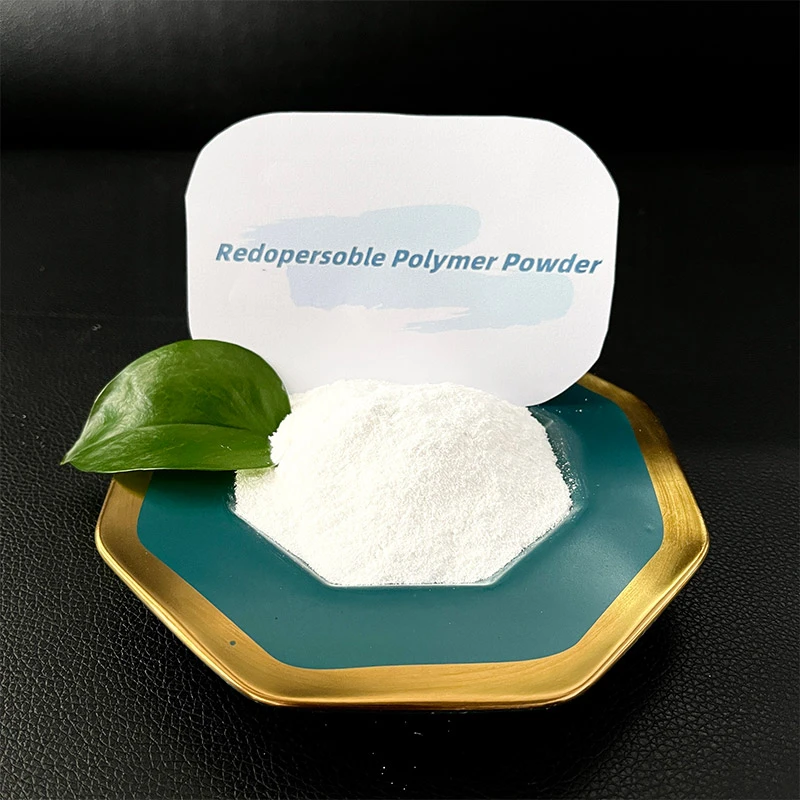
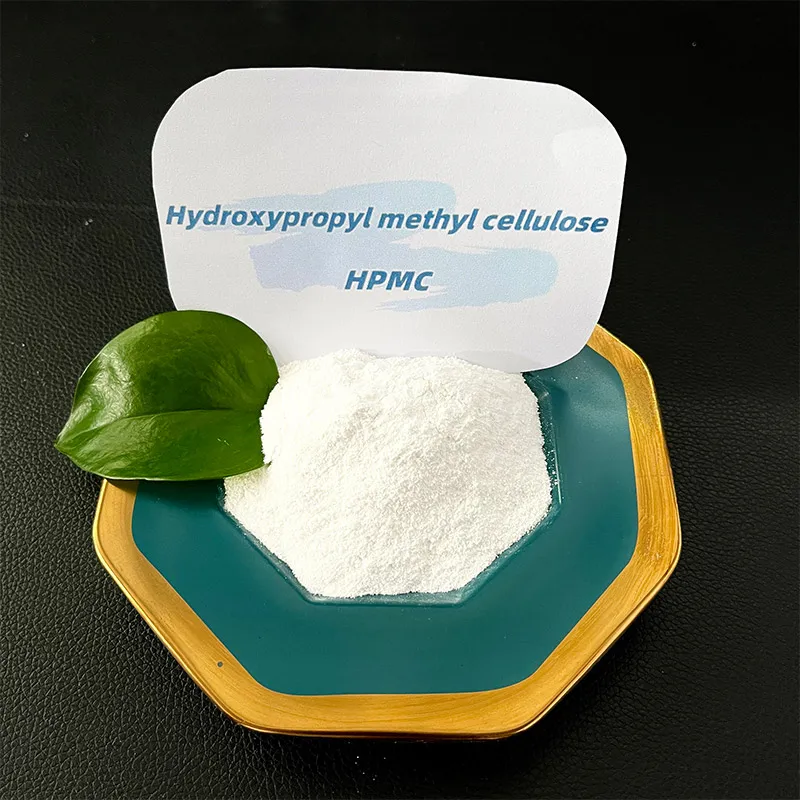
Растворимость HPMC E5 Важные аспекты и применение Гидроксипропилметилцеллюлоза (HPMC) является одним из наиболее часто используемых полимеров в фармацевтической, косметической и пищевой промышленности. В частности, HPMC E5, обладающий особенными свойствами, привлекает внимание исследователей и разработчиков в связи с его отличной растворимостью и стабильностью. Химическая структура и свойства HPMC E5 представляет собой эфир целлюлозы, в котором некоторые из гидроксильных групп целлюлозы замещены гидроксипропиловыми и метильными группами. Это придает HPMC E5 уникальные физико-химические свойства. Полимер хорошо растворим в холодной воде, образуя прозрачные растворы, что делает его идеальным кандидатом для использования в различных formulations. Факторы, влияющие на растворимость Растворимость HPMC E5 зависит от ряда факторов 1. Температура При повышении температуры растворимость HPMC увеличивается. Это связано с тем, что тепло способствует разрушению водородных связей между молекулами полимера и воды. . 3. Концентрация При высокой концентрации HPMC E5 в растворе возникают взаимодействия между молекулами полимера, что может привести к увеличению вязкости раствора и, как следствие, снижению растворимости. hpmc e5 solubility 4. Присутствие других веществ Наличие солей, других полимеров или активных веществ может существенно изменить растворимость HPMC E5. Например, добавление анионных или катионных полимеров может привести к образованию комплексных структур, что повлияет на общую растворимость. Применение HPMC E5 HPMC E5 находит широкий спектр применения благодаря своей хорошей растворимости - Фармацевтика Используется как связующее вещество в таблетках и капсулах. HPMC E5 помогает контролировать высвобождение активных ингредиентов, что важно для создания лекарств с продолжительным действием. - Косметика В косметических средствах HPMC E5 используется как загуститель и стабилизатор эмульсий. Он помогает улучшить текстуру и повышение устойчивости продуктов. - Пищевая промышленность В производстве продуктов питания HPMC E5 применяется как загуститель и стабилизатор. Он улучшает консистенцию соусов, кремов и других продуктов. Заключение Таким образом, растворимость HPMC E5 является одним из ключевых факторов, определяющих его применение в различных отраслях. Понимание факторов, влияющих на растворимость, помогает оптимизировать условия для разработки эффективных и стабильных формул. HPMC E5, благодаря своей универсальности и эффективности, продолжает оставаться важным компонентом в современных технологиях. Разработка новых технологий и методов, связанных с использованием HPMC E5, может привести к созданию даже более совершенных продуктов, способных удовлетворять потребности потребителей в различных сферах.
advantages
-

200000 Viscosities
Excellent product
We can produce pure products up to 200,000 viscosities
-

40000 tons
High yield
We don’t stop production all year round, and the annual output can reach 40,000 tons
-

24 hours
Quality service
We provide 24-hours online reception service, welcome to consult at any time
———— Inquiry Form
Schedule A services



-
 fabricantes_de_fibra_de_pp
Oct . 25, 2025
Methylcellulose is increasingly gaining attention in the realm of ophthalmic products due to its ver -
 polymer_hpmc
Oct . 25, 2025
The Significance of Cellulose and HPMC in Modern Applications Cellulose, the most abundant organic p -
 hpmc_viscosity_table
Oct . 25, 2025
Hypromellose, also known as hydroxypropyl methylcellulose (HPMC) , is a versatile and widely used in


